Choose a Color Skin



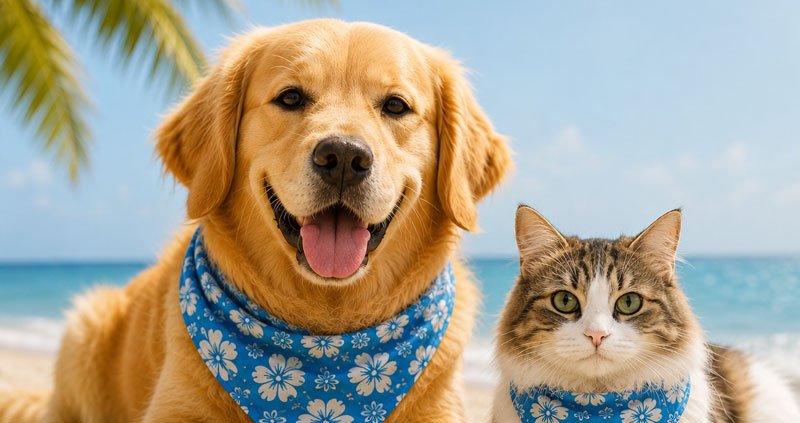
Summer can be a challenging season for dogs. Rising temperatures, hot surfaces, humidity, and prolonged exposure to heat can make your furry friend uncomfortable and may increase the risk of heat-related problems. As a responsible pet parent, taking simple precautions can help your dog stay cool, comfortable, hydrated, and healthy during summer.
From providing plenty of fresh water to creating a cool resting space, small changes to your dog's daily routine can make a big difference. In this guide, we share practical summer dog care tips to help you protect your pet from excessive heat.
Dogs do not cool themselves in exactly the same way humans do. They mainly regulate body temperature through panting and other natural mechanisms. During very hot weather, these methods may not be enough to keep them comfortable.
Hot and humid conditions can make it harder for dogs to regulate their body temperature. Puppies, senior dogs, dogs with thick coats, and certain breeds may require extra attention during the summer months.
One of the simplest ways to support your dog's comfort during hot weather is to provide access to fresh and clean drinking water throughout the day.
Good hydration is an important part of maintaining your dog's overall wellbeing, especially during warm weather.
Your dog should have access to a shaded and well-ventilated place where they can rest away from direct sunlight. During particularly hot periods, keeping your pet indoors in a comfortable environment can help reduce exposure to excessive heat.
A cool floor, proper ventilation, and a comfortable resting space can help your furry friend relax during the hottest part of the day.
Summer does not mean your dog has to stop exercising, but the timing of outdoor activities is important. Try to schedule walks during cooler parts of the day rather than during peak afternoon heat.
Early morning and later evening are often more comfortable times for outdoor activities. Always consider the weather conditions before taking your dog outside.
Roads, pavements, concrete, and other outdoor surfaces can become extremely hot under direct sunlight. Walking on very hot surfaces may be uncomfortable or harmful to your dog's paw pads.
Before going for a walk, check the walking surface and choose shaded routes whenever possible. If the surface is too hot for your hand, it may also be too hot for your dog's paws.
Never leave your dog alone inside a parked vehicle during hot weather. Even when the windows are partially open, the temperature inside a vehicle can rise rapidly.
If you need to travel with your pet, plan ahead and make sure your dog remains in a safe, cool, and properly ventilated environment.
Regular grooming can help keep your dog's coat clean and comfortable during warm weather. Brushing can remove loose hair, dirt, and tangles while helping maintain the condition of the coat.
However, avoid making major changes to your dog's coat without understanding the needs of the breed. A dog's coat can also provide protection from sunlight and environmental conditions. If you are unsure about trimming or shaving, consult a professional groomer or veterinarian.
Pet owners should pay attention to changes in their dog's behaviour and physical condition during hot weather. Signs that may indicate your dog is struggling with heat can include:
If you suspect that your dog is suffering from heatstroke or another heat-related emergency, move your pet to a cooler area and seek immediate veterinary assistance.
Proper nutrition remains important throughout the year. During summer, make sure your dog continues to receive a balanced diet along with sufficient fresh drinking water.
Depending on your pet's individual nutritional requirements, veterinary feed supplements and herbal pet supplements may also be considered as part of a complete pet-care routine. Always select products suitable for your dog's specific needs and consult a veterinarian or animal health professional when required.
Dogs still need physical activity during summer, but excessive exercise in hot conditions should be avoided. Instead of long outdoor activities during peak heat, consider shorter walks, indoor play, and other activities during cooler hours.
Pay attention to your dog's behaviour. If your pet appears tired, uncomfortable, or excessively thirsty, allow them to rest and cool down.
RSK Pharmacy came into reality in 2002 with a vision to create quality products in the field of veterinary feed supplements. Today, the company has grown into a fast-growing enterprise with multiple divisions involved in manufacturing and marketing products for domestic and export markets.
RSK Pharmacy operates across categories including Veterinary Feed Supplements, Herbal Feed Supplements for Pets including Dogs and Cats, Bird and Poultry Feed Supplements, and Herbal Dietary Supplements in the human category.
Quality has always been one of the key strengths of RSK Pharmacy. The company is equipped with modern technology and an in-house testing laboratory focused on developing new formulations and maintaining the effectiveness of established formulas.
RSK Pharmacy has developed a range of products in the field of herbal feed supplements and animal care, including herbal wound healing spray, herbal mastitis spray, herbal tick spray, and other veterinary and pet-care products.
Keeping your furry friend cool during summer is an important part of responsible pet care. Fresh water, a cool resting area, appropriate exercise, regular grooming, and careful monitoring can help your dog stay more comfortable during hot weather.
Every dog responds differently to heat, so always pay attention to your pet's behaviour and needs. With a little extra care and preparation, you can help your furry companion enjoy the summer season safely and comfortably.
Provide plenty of fresh water, keep your dog in a cool and shaded area, avoid outdoor activities during peak heat, and ensure your pet has a comfortable place to rest.
Walking during cooler parts of the day, such as early morning or later evening, can help reduce your dog's exposure to high temperatures.
Yes. Dogs can develop heat-related illnesses when exposed to excessive heat. Excessive panting, weakness, drooling, vomiting, confusion, or collapse can be warning signs that require prompt veterinary attention.
Shaving is not automatically necessary for every dog. A dog's coat can provide protection from environmental conditions. Consult a professional groomer or veterinarian before making significant changes to your dog's coat.