Choose a Color Skin



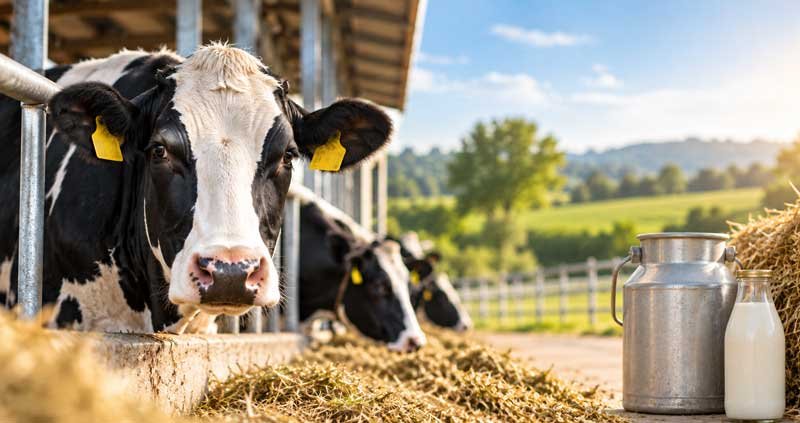
Ketosis is a common metabolic problem in dairy cows, especially during the early weeks after calving. It occurs when the cow does not get enough energy from its feed to meet the high energy demands of milk production. As a result, the body starts breaking down stored fat, producing ketone bodies that can accumulate in the blood.
The risk of ketosis is highest during the transition period, particularly in the first few weeks after calving. During this time, a cow's energy requirement increases significantly because of milk production, while feed intake may not increase enough to meet that demand.
Common factors associated with ketosis include:
Ketosis can be difficult to recognize in its early stages because some affected cows may show only subtle changes in behaviour or production.
Possible signs include:
Ketosis is commonly discussed as either clinical or subclinical.
Clinical ketosis occurs when ketone levels become high enough to produce noticeable signs. The cow may have a clear reduction in appetite, milk production and activity.
Subclinical ketosis may not produce obvious outward signs. However, elevated ketone levels can still be associated with reduced production and an increased risk of other problems during the transition period. Testing blood, milk or urine for ketone bodies can help identify affected animals.
Ketosis often occurs alongside other transition-period problems. Reduced feed intake and negative energy balance can increase the risk of conditions such as fatty liver, displaced abomasum and other metabolic or reproductive problems.
Ketosis may also occur together with conditions that cause a cow to eat less, including problems around calving or infections. For this reason, identifying and addressing the underlying cause is an important part of managing the animal.
Good transition-cow management is one of the most important ways to reduce the risk of ketosis. The goal is to help cows maintain healthy feed intake and minimize excessive loss of body condition after calving.
Ketosis should be diagnosed with the help of a veterinarian or qualified animal-health professional. Ketone bodies can be measured using blood, milk or urine testing, depending on the available diagnostic method.
Treatment depends on the severity of the condition and the underlying cause. Management may include correcting the cow's energy deficit, improving feed intake and treating any concurrent disease. The exact treatment should be selected by a veterinarian based on the animal's condition.
Early identification of ketosis allows farmers to investigate reduced feed intake, falling milk production and excessive body-condition loss before the problem becomes more serious. Regular observation of freshly calved cows, combined with appropriate ketone testing when indicated, can support better herd management.
Ketosis is an important metabolic challenge in dairy cattle, particularly during the early lactation period. Maintaining proper nutrition, monitoring cows closely after calving and addressing health problems promptly can help reduce the risk. If a cow shows a sudden decrease in appetite, milk production or activity, consult a veterinarian for proper diagnosis and treatment.